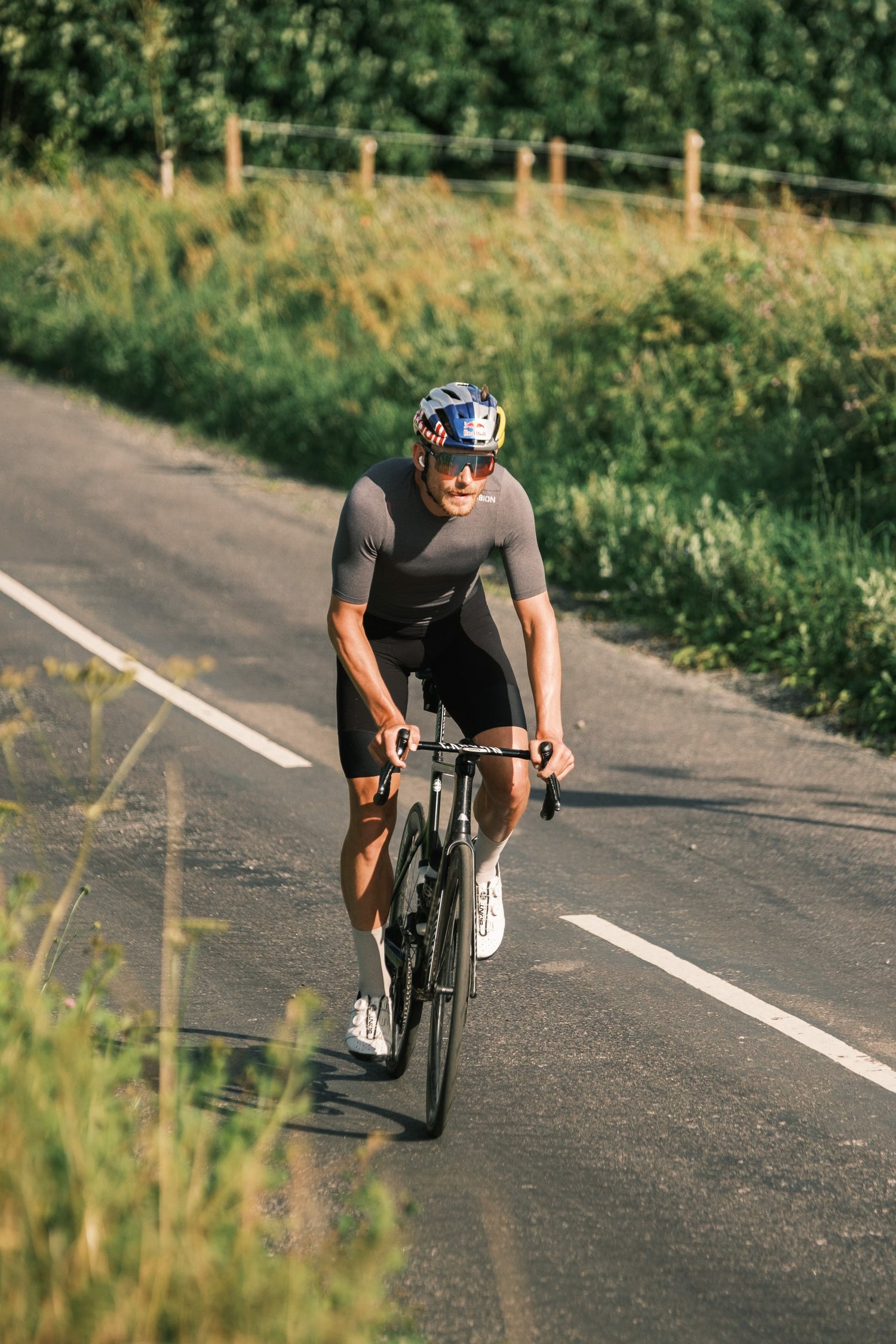

Learn from Laurtis' experiences from IRONMAN Copenhagen 2024
When faced with a challenge as big as an IRONMAN, it’s hard to imagine how much work and dedication goes into it. For Laurits, a 21-year-old triathlete from Herning, the journey to cross the finish line at the Copenhagen IRONMAN in August 2024 was both demanding and life-changing. After a challenging half-distance triathlon in 2022, which resulted in surgery and a long rehabilitation, he took up triathlon again in 2023. His goal was clear: to complete an IRONMAN. Today, Laurits shares his experience, his challenges, and his most important learnings from the preparations for race day.
About the Training
1. What was your biggest concern when you first started training for IRONMAN?
My biggest concern at the beginning was clearly whether an IRONMAN was too much to handle. It takes a lot more than just training and completing it on race day. I spent a lot of time figuring out how to structure my training, but also what clothing, equipment and nutrition were necessary. The solution for me was to experiment with different forms of energy like gels, bars and powders to find out what worked best for me.
On the training front, I sought help and inspiration from more experienced people. There are so many things you don't think about as a beginner, and I learned an incredible amount by asking others for advice. So my advice to others: Soak up all the knowledge from the experienced people, and you'll already be well on your way!
2. How difficult was it to balance training with other commitments like work and family?
An IRONMAN is extremely time-consuming and requires you to adjust your daily routine. Having a structured plan was necessary, especially when I had a full-time job. Some days I had to get up at 4am or train late at night. For me, it worked best mentally to get the training done early so I still had time with family and friends later in the day.
Regardless of which method suits your everyday life best, I would recommend structuring your training. This makes it more manageable and gives you the energy to focus when you're working out.
About Race Day
1. How did you feel physically and mentally on race day compared to training?
There is a very special feeling on race day. After countless hours of training and ups and downs, I was excited, but also ready to perform. Race morning was a unique experience with 3,000 participants ready to give it their all. The atmosphere was fantastic and it rubbed off on everyone.
Physically, I was also more ready than ever. I had cut back on my training for two weeks and carb-loaded the week before, so both my body and mind were as fresh as possible.
2. What practical preparations (equipment, clothing, nutrition, etc.) were more important than you expected?
I didn't expect equipment, clothing and nutrition to matter so much. On the bike, where you sit for many hours, having the right bibs is essential, and nutrition is one of the most important factors for success. I quickly learned that having a good nutrition and hydration plan can be the difference between a good and a bad performance.
3. How did nutrition and hydration affect your performance during the race?
Nutrition and hydration are crucial. My plan was to have a lot of carbs on the bike and during the race, and it went well at first. However, halfway through the race I forgot my strategy, which resulted in a brief meltdown. It taught me an important lesson about how important it is to stick to the plan.
4. How did it feel to cross the finish line and what did you learn from the whole experience?
Crossing the finish line was a wild experience. It was the culmination of months of dedication and focus. It's a moment I'll remember in the future when training gets tough and overwhelming. My biggest lesson from the whole process is that you can accomplish an insane amount of things if you want it enough. I also learned the importance of asking for help and sharing the experience with others.Advice for other beginners
- Structure your training and everyday life.
- Focus on nutrition and hydration.
- Share your goals with family and friends for support.
- Seek advice and inspiration from experienced people.
- Believe in yourself and get into it.